
Lamu and the Swahili Coast
Coral stone, dhows and ocean trade. Lamu Old Town in Kenya is a living Swahili port of coral stone houses, carved doors and dhows, shaped by centuries of Indian Ocean trade.
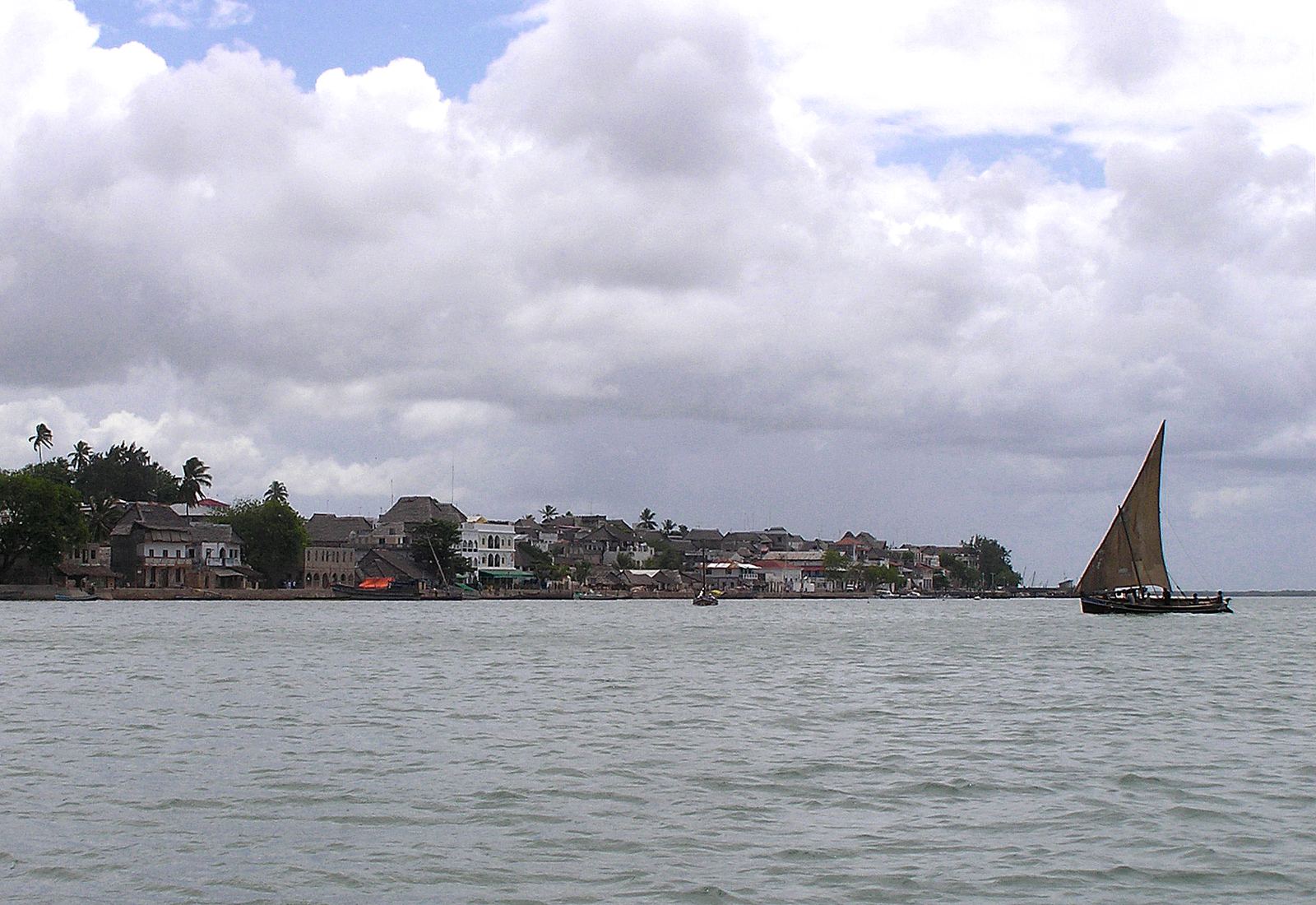
Lamu Town from the water: Henrik Bennetsen, CC BY-SA 2.0
The Swahili world
For more than a thousand years, a chain of trading towns has lined the East African coast from Somalia to Mozambique. Their people are the Swahili, whose language belongs to the Bantu family and has absorbed words from Arabic, Persian, Portuguese, Hindi and English. Towns such as Kilwa, Mombasa, Zanzibar and Lamu grew rich by sending ivory, gold and mangrove poles across the ocean and bringing back cloth, porcelain and spices.
The trade ran on the monsoon winds. Sailing ships called dhows caught winds blowing one way for half the year and the other way for the rest, linking Africa with Arabia, Persia and India on a regular schedule.
Video: Lamu old town prides itself in retaining its traditions and heritage (NTV Kenya), embedded from YouTube.
Lamu Old Town
On Lamu Island off northern Kenya, Lamu Old Town is often described as the oldest and best preserved Swahili town still lived in. It was established by the 14th century, and its streets are so narrow that there are almost no cars. People walk, ride donkeys, or travel by boat to nearby islands such as Manda and Pate.
The houses are built of coral stone set in lime mortar, with ceilings of mangrove poles. Inside, wall niches once held fine porcelain, and many homes have flat rooftops used in the cool of the evening.
Doors and dhows
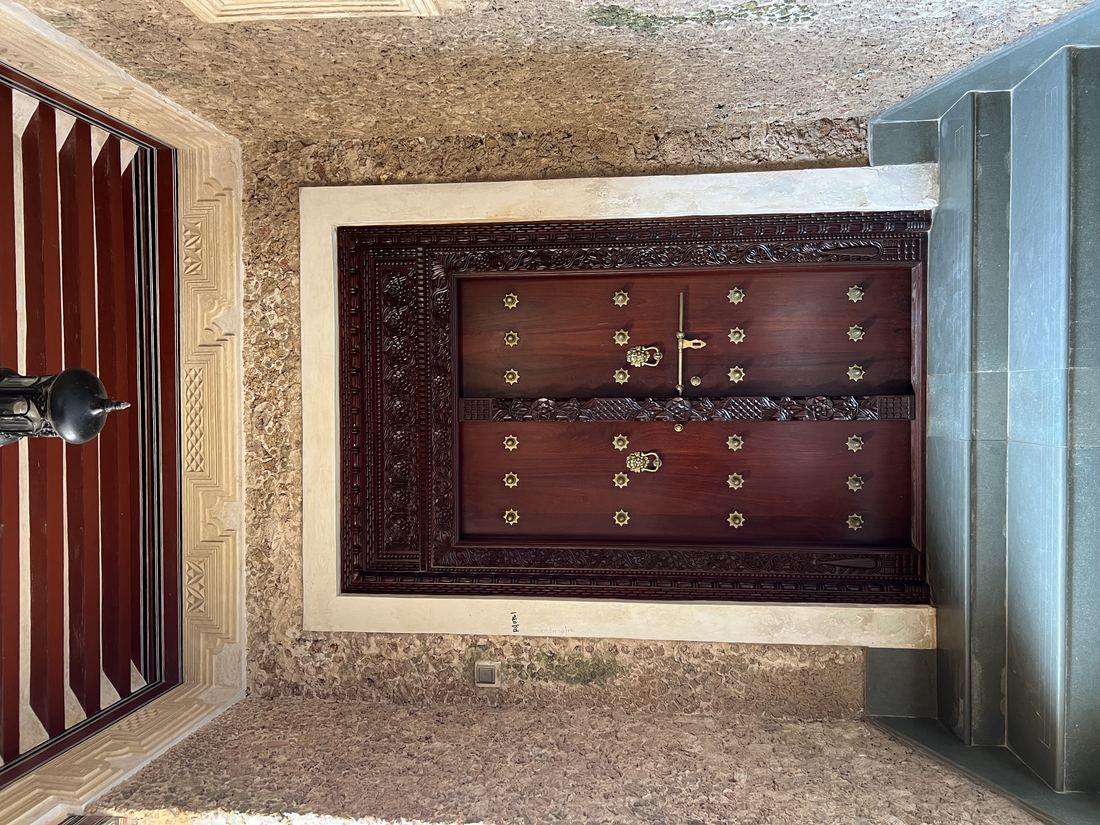
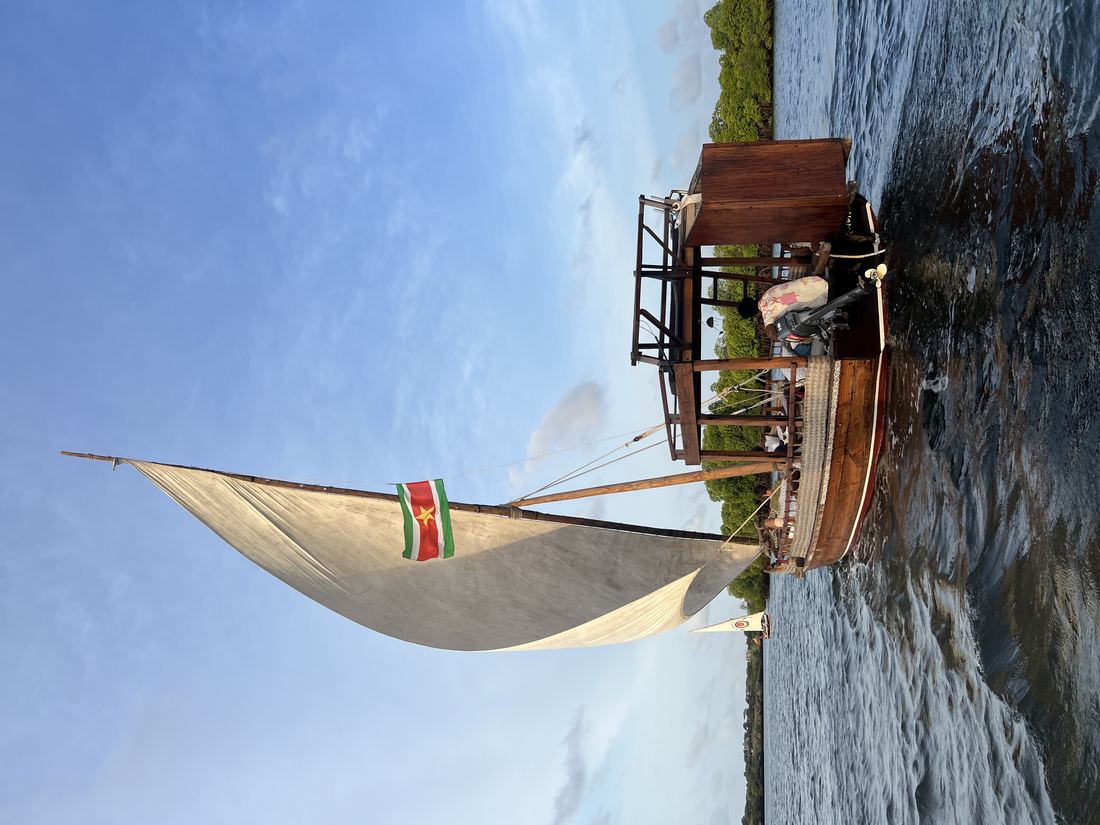
Lamu is famous for its carved wooden doors, with geometric and floral patterns, brass studs and inscriptions. A grand door showed the standing of a family, and local carpenters still make them today. Along the waterfront, boat builders shape wooden dhows by hand, and races of these sailing boats are a highlight of the town's festivals.
Lamu's craftspeople also carve furniture such as the high Lamu chair and canopied beds, and the town has long been a centre of Swahili poetry. Written Swahili verse in Arabic script, known as utendi, flourished along this stretch of coast, and poems are still recited at weddings and religious gatherings.
Faith, festivals and the future
Most people in Lamu are Muslim, and the town is known for the Maulidi festival marking the birth of the Prophet Muhammad, which draws visitors from along the coast. The annual Lamu Cultural Festival celebrates Swahili poetry, crafts, music and dhow racing. Lamu Old Town became a UNESCO World Heritage Site in 2001. Residents now balance protecting their historic town with the pressures of tourism and large new port projects on the nearby mainland.
- Lamu Town from the water: Henrik Bennetsen, CC BY-SA 2.0
- A carved Lamu door: Elena.laps, CC BY-SA 4.0
- A dhow in Lamu harbour: Elena.laps, CC BY-SA 4.0
Text written by Bongara Bongara.



.jpg)

